
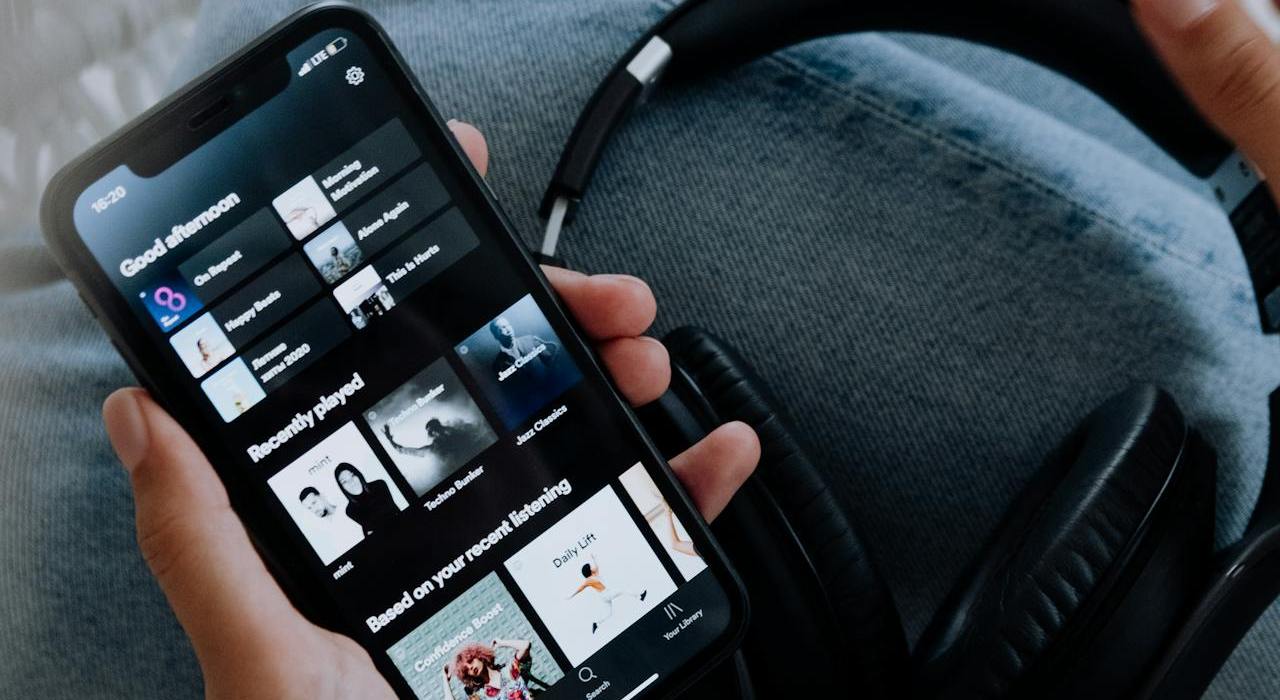
 Photo by
The development of online audio broadcasting and audio
The audio revolution: How internet radio and streaming audio have reshaped listening
The way we consume audio has undergone a vast transformation in the last three decades, evolving from terrestrial broadcasts to a vast, personalized, on-demand digital universe.
This revolution has been driven by the continued development of internet radio and, more recently, sophisticated audio streaming services.
The Dawn of Internet Radio: Pioneers of the 1990s
The idea of "broadcasting" over the Internet emerged in the early 1990s. In 1993, Carl Malamud launched "Internet Talk Radio," a groundbreaking program that interviewed computer experts and heralded the future of online audio. Live concerts quickly followed, demonstrating the potential for real-time audio streaming.
A defining moment came in November 1994 when WXYC (89.3 FM Chapel Hill, North Carolina, USA) became the first traditional radio station to announce continuous broadcasting over the Internet. Other stations, such as WREK (Atlanta, Georgia), followed suit, often developing their own custom software for streaming. The advent of technologies such as RealAudio in 1995, which enabled "real-time" streaming with AM radio-quality sound, further accelerated adoption.
The mid-1990s also saw the birth of Internet-only radio networks. NetRadio.com, founded by Scott Bourne in 1995, was a pioneer, becoming the first Internet network to be licensed by ASCAP, paving the way for the many online radio providers that followed.
The Rise of Streaming Services: The 2000s and Beyond
While early Internet radio stations provided a new way to access broadcast content, the real revolution in audio consumption came with the rise of on-demand streaming audio services. The widespread adoption of MP3 files in the late 1990s made digital music easily shareable, although it also led to significant legal battles over copyright (e.g., UMG Recordings, Inc. v. MP3.com, Inc.).
A crucial turning point was Rhapsody (now Napster), which launched in December 2001, introducing one of the first subscription-based models for accessing an online music library. However, it was Pandora, which launched in August 2005, that truly popularized the concept of *personalized* Internet radio. Its "Music Genome Project" analyzed songs based on various characteristics, allowing users to create stations tailored to their preferences using "thumbs up" and "thumbs down" ratings.
The landscape changed irrevocably with the arrival of Spotify in Europe in 2008 (and the US in 2011). Spotify's freemium model, combined with its vast and ever-growing music library, shifted the paradigm from music ownership (downloads) to music access (on-demand streaming). This sparked fierce competition, with major players like **Apple Music (2015)** and *Tidal (2015)** entering the market, often differentiating themselves through exclusive content or high-quality audio.
Influence and evolution
Streaming's impact on the music industry and listening habits has been profound:
Democratization of access : Streaming has made vast music libraries accessible to anyone with an internet connection, breaking down geographical and economic barriers to music consumption.
Changing revenue models : Streaming has become the dominant source of revenue in the recorded music industry, although the distribution of royalties to artists remains a controversial issue.
The rise of personalization : Artificial intelligence and machine learning algorithms are central to modern streaming, delivering highly personalized playlists and recommendations that constantly present listeners with new content.
Podcast Explosion : The streaming revolution has also driven the incredible growth of podcasts, which offer a wide range of spoken content on demand.
Integration with smart devices : The proliferation of smartphones, smart speakers, and in-car audio systems has seamlessly integrated streaming into everyday life, enabling hands-free, voice-controlled access.
Changing listening habits : The focus has shifted from listening to entire albums to curating playlists and enjoying individual songs. The ability to discover new artists has also increased significantly.
Decline in Piracy : The convenience and affordability of streaming have greatly reduced the incentive for illegal music downloads.
The future of audio streaming
Evolution continues at a rapid pace. Key trends shaping the future include:
Improved audio quality : There is a growing demand for high-resolution, lossless audio (e.g., FLAC, ALAC) for a more immersive listening experience.
Advanced Personalization : Artificial intelligence and even more sophisticated machine learning will lead to hyper-contextual recommendations based on mood, activity, and even environmental factors.
Interactive and immersive experiences : Virtual concerts, augmented reality/virtual reality integration, and other interactive features on platforms are on the horizon.
Blockchain and NFTs : Exploring blockchain technology for transparent royalty payments and new forms of digital music ownership (NFTs).
Eco-friendly streaming : Increasing awareness and efforts to reduce the significant energy consumption associated with data centers and streaming.
Hybrid business models : Expect to see more diverse subscription tiers, including “super-premium” options with exclusive content and direct monetization for fans.
From niche online broadcasts to a global, interconnected audio ecosystem, internet radio and streaming audio services have redefined the way we discover, listen to, and interact with sound. Their continued development promises an even richer and more integrated audio future