
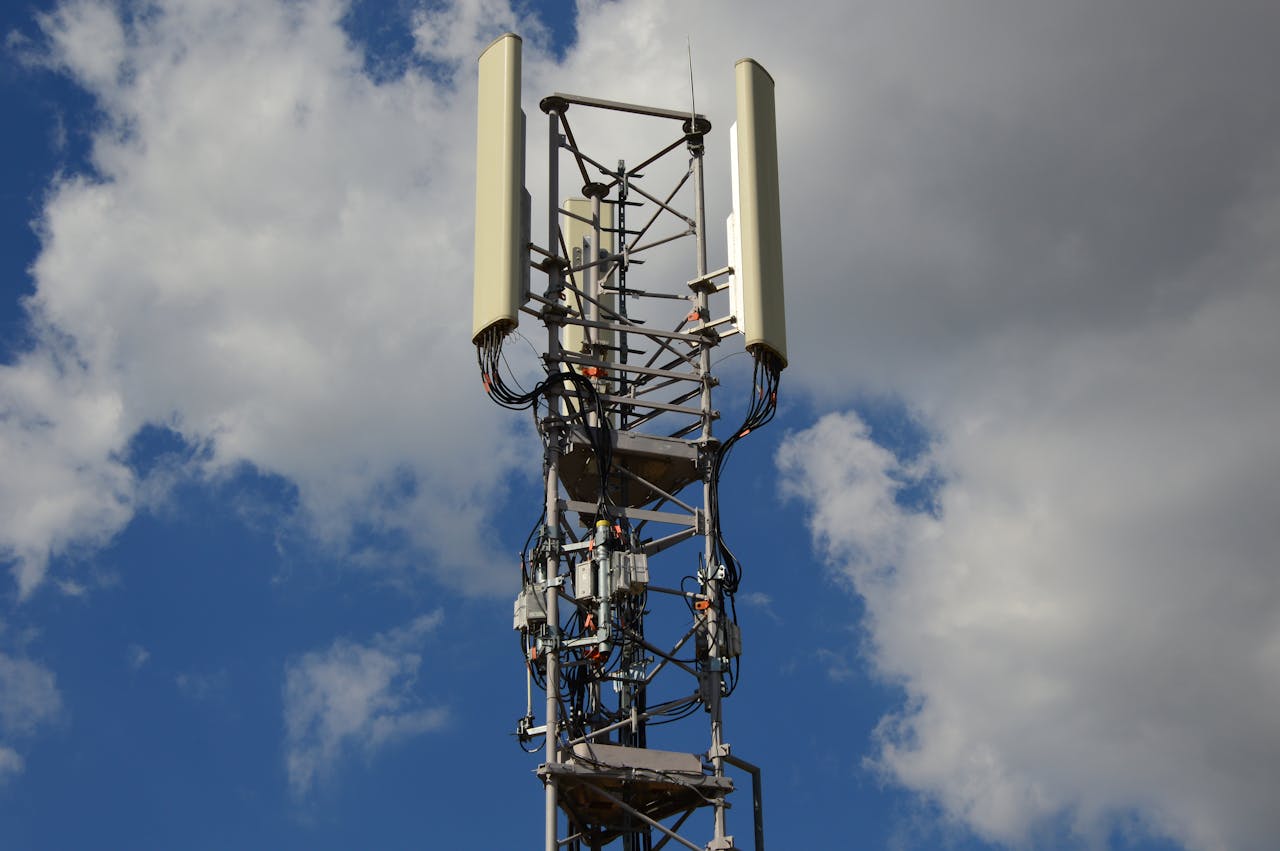
Will Internet radio kill terrestrial digital radio?
The idea that Internet radio will "kill" digital terrestrial radio is a statement with a complex reality. Both technologies have their own advantages and disadvantages, and it is likely that they will coexist for the foreseeable future, rather than one completely replacing the other.
Below is a breakdown of the key factors to consider:
Advantages of Internet Radio
Huge selection: Internet radio offers an almost unlimited number of stations from all over the world. This is a huge advantage for listeners looking for niche content, foreign language broadcasts, or specific genres that may not be available on local DAB or FM stations.
On-demand content: Internet platforms also provide access to a vast library of podcasts and on-demand content, giving listeners the flexibility to tune in whenever they want.
Potentially higher audio quality: With a strong internet connection, streaming can often provide a higher bitrate and better sound quality than many DAB broadcasts.
Personalization: Streaming services can use artificial intelligence and algorithms to recommend content tailored to a user's listening habits.
Advantages of DAB digital terrestrial radio
Reliability and stability: DAB relies on a broadcast signal, not an internet connection. This makes it more reliable in areas with poor or no internet coverage, such as rural areas or when driving through a tunnel.
No data costs: Because DAB is broadcast, there are no data charges. This is a significant factor for mobile listening, especially for those who don't have an unlimited data plan.
Emergency Broadcasting: Terrestrial radio is a resilient form of communication. It is designed to function even during power outages or when the internet is down, making it a critical tool for public safety and emergency information.
Efficiency: The transmission model is incredibly efficient. A single DAB signal can be transmitted to millions of receivers simultaneously without any degradation in quality or increased network load, unlike internet streaming where each listener requires a separate data stream
Coexistence and hybrid models
Instead of a “winner takes all” scenario, the trend is moving towards a “hybrid radio” model. Many modern devices, including car radios, are equipped with both DAB+ and internet connectivity. This allows the device to seamlessly switch between the two platforms to provide the best listening experience. For example, a car radio might use a DAB broadcast for local and national stations, then automatically switch to an internet stream for a wider selection or to access on-demand content.
Furthermore, many broadcasters are adopting a multi-platform strategy, making their content available on FM, DAB and the internet. This ensures they can reach the widest possible audience, regardless of how they choose to listen.
Ultimately, while internet radio is a powerful and growing force, the unique advantages of DAB, particularly its efficiency, reliability and lack of data costs, mean that it will likely continue to be an important part of the radio landscape for years to come
But what about countries that have not yet invested in DAB? Should they avoid investing in DAB technology and opt for an ?
This is a key question, and it goes to the heart of the strategic choices facing governments and broadcasters today. The decision is not simple, and there is no one-size-fits-all answer. For a country that has not yet invested heavily in DAB, the “Internet-only” model may seem more appealing, but it too comes with a significant set of challenges.
Here's a look at the arguments for and against giving up DAB and betting exclusively on internet radio:
The case for an "Internet-only" strategy
Avoiding old technology: Investing in a new terrestrial broadcasting network like DAB can be seen as building a platform that will eventually be overtaken by internet technology, similar to how FM is gradually falling out of use in some countries. By skipping DAB, a country can avoid the cost of building and maintaining a new broadcasting infrastructure that could become obsolete.
leveraging existing infrastructure: An internet-only model can leverage existing and rapidly expanding cellular and broadband networks. This can be a more cost-effective approach than building and dedicating a new radio network.
Global reach and innovation: A web-centric approach allows broadcasters to reach global audiences instantly and innovate faster. They can offer on-demand content and personalized services that are not possible with linear broadcast.
Lower entrance barrier: For new or small broadcasters, setting up an internet radio station is much cheaper and faster than securing a license and infrastructure for terrestrial broadcasting. This advantage can foster a more diverse and vibrant media landscape.
"The Digital Divide":This is probably the biggest and most critical challenge. Relying exclusively on the internet for radio leaves out a significant portion of the population who do not have reliable, affordable or any access to the internet. This is especially true in rural, remote or less developed areas. This argument only applies to some countries.
Terrestrial radio is a critical tool for public safety and emergency communications. In the event of a natural disaster, war, or major power outage, the internet and cellular networks are often among the first services to fail. A broadcast signal, however, can remain active, providing a vital lifeline for real-time information
data costs and accessibility:For many people, especially in countries with high data costs or where people are on limited data plans, streaming radio for extended periods of time is not a viable or affordable option. Terrestrial radio is free at the point of reception.
In-car listening: While new cars are increasingly connected to the Internet, the vast majority of vehicles on the road still rely on terrestrial radio. Internet-only access would immediately render millions of existing car radios obsolete, requiring consumers to purchase expensive new hardware or solution.
Power and effciency: Broadcasting a single signal to a huge audience is incredibly power efficient. In contrast, each internet radio listener requires a separate data stream, which consumes a significant amount of power and can strain network capacity, especially during a popular event.
Given these trade-offs, the most logical approach for countries that have not yet committed to DAB is not to choose one over the other, but to adopt a hybrid model from the start.
This strategy includes:
- Preserving and optimizing existing analog (FM) radio, especially due to its durability and ubiquity.
- Investing in expanding broadband and mobile networks, as this benefits not only radio, but the entire economy.
- Encouraging a gradual, market-led transition where new devices are sold with both DAB and internet connectivity.
- Using terrestrial broadcasting for what it does best (effective, reliable, free, mass-market content) and using the internet for what it does best (personalization, on-demand content, and niche content).
- A number of countries that initially struggled to adopt DAB, such as Ireland and Sweden, have had to reassess their strategies, with some even relaunching or reconsidering their digital radio plans. The UK, which had a strong early push for DAB, is now also focusing on a multi-platform future.
- Ultimately, a country's decision depends on its specific circumstances: its geography, population density, economic development, and existing infrastructure. While the Internet is the future for many forms of media, the unique and compelling advantages of terrestrial broadcasting mean that it is unlikely to be completely abandoned anytime soon.